As businesses increasingly move to the cloud for enhanced flexibility and scalability, the demand for skilled professionals who can design, implement, and manage cloud environments has never been higher. Here comes the cloud solution engineer —a pivotal role in ensuring smooth cloud operations and maximizing the benefits of cloud technologies.
In this blog, we’ll dive into the role of a Cloud Solution Engineer, the key skills required to excel in this field, and why they are crucial for driving business growth and innovation in today’s competitive digital landscape.
What is a Cloud Solution Engineer?
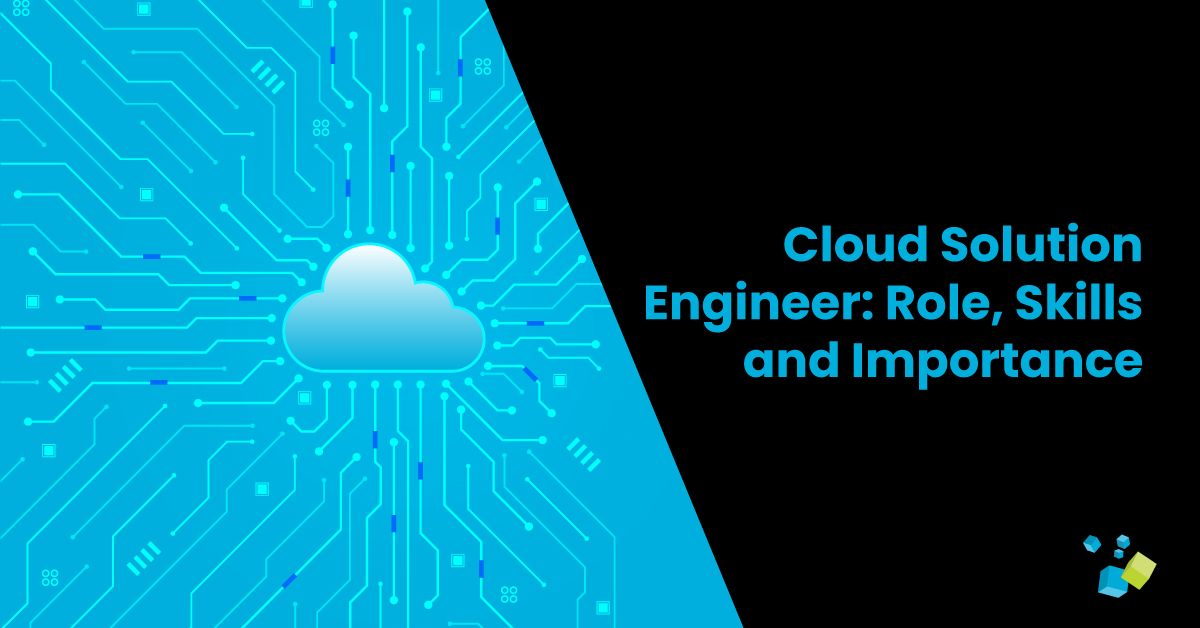
A cloud solution engineer is an IT professional responsible for designing, implementing, and managing cloud-based systems and infrastructures for businesses. They work with cloud service platforms such as AWS, Microsoft Azure, or Google Cloud to create tailored solutions that meet your MSP business ’s specific needs. Cloud solution engineers ensure that cloud applications are secure, scalable, and optimized for performance while managing the integration of cloud technologies with existing on-premises infrastructure. Their role involves troubleshooting, migrating workloads to the cloud, and continuously optimizing systems to align with business objectives. They are key to helping businesses leverage cloud technologies for efficiency and growth.
Key responsibilities of Cloud Solution Engineer
Cloud solution engineers work with cross-functional teams to solve problems, apply best practices for cost reduction and cloud security, and keep up with the most recent developments in cloud technology. Their duties also include the ongoing enhancement of cloud infrastructure to satisfy corporate requirements.
Some of the regular cloud engineers are listed here.
- Moving data or infrastructure from a company’s computer system to its cloud platforms.
- Organizing components of cloud infrastructure, such as security and networking services
- Development of cloud-based databases and apps.
- Keep an eye on the data storage and cloud management services.
- Ensuring the data’s protection and safety.
- Registering, managing, and offering customer support for cloud-based problems.
Required skill set of a Cloud Solution Engineer
A Cloud Solution Engineer requires a diverse skill set that combines technical expertise with problem-solving abilities. Here are some of the essential skills:
- Cloud platform expertise: Proficiency in cloud platforms like AWS, Microsoft Azure, Google Cloud, or other cloud providers is critical. Familiarity with services like computers, storage, networking, and security within these platforms is essential.
- Networking: Strong understanding of cloud networking, including VPNs, subnets, firewalls, load balancers, and security groups to design and manage cloud infrastructure efficiently.
- Security and compliance: Knowledge of cloud security best practices, identity and access management (IAM), encryption, and compliance standards such as GDPR or HIPAA are vital to ensure data protection and regulatory compliance.
- Programming and scripting: Proficiency in programming languages such as Python, Java, or Ruby and scripting languages like Bash or PowerShell to automate cloud infrastructure tasks.
- Infrastructure as Code (IaC): Experience with IaC tools like Terraform, CloudFormation, or Ansible for automating cloud infrastructure provisioning and management.
- System administration: Familiarity with operating systems like Linux and Windows for managing servers, applications, and services hosted in the cloud.
- Containerization and orchestration: Experience with container technologies like Docker and orchestration tools like Kubernetes for deploying and managing containerized applications in cloud environments.
- Database management: Understanding of both relational (SQL) and NoSQL databases hosted in the cloud, including performance optimization and scalability.
- Problem-solving and troubleshooting: Strong analytical and troubleshooting skills to diagnose and resolve issues related to cloud services, performance, and availability.
- DevOps knowledge: Familiarity with DevOps practices, CI/CD pipelines, and tools like Jenkins or GitLab for automating development, testing, and deployment workflows.
- Collaboration and communication: Ability to work with cross-functional teams, explain technical concepts to non-technical stakeholders, and contribute to cloud strategy and planning.
- Cost management: Understanding of cloud cost optimization strategies to monitor, manage, and minimize cloud spending without sacrificing performance or security.
Why your MSP business needs a Cloud Solution Engineer
A Cloud Solution Engineer is vital for your MSP to remain competitive in today’s tech landscape. Here’s why:
- Tailored cloud solutions: They design cloud architectures customized to clients’ needs, ensuring efficient workflows.
- Smooth cloud migration: They ensure secure, seamless migration with minimal disruption.
- Cost optimization: They manage cloud resources to control operational costs effectively.
- Enhanced security: They implement robust security measures to protect data and ensure compliance.
- Scalability: They design flexible infrastructures that grow with client needs.
- Disaster recovery: They implement recovery solutions to ensure business continuity.
- Innovation: They bring the latest cloud innovations to improve service offerings.
- Customer satisfaction: They help deliver reliable, scalable cloud solutions that boost client satisfaction.
Things to consider while hiring Cloud Solution Engineer
Hiring the right cloud solution engineer can greatly enhance your business’s cloud capabilities and security. When hiring a cloud solution engineer, here are key factors to consider:
- Technical expertise: Ensure they have strong knowledge of cloud platforms like AWS, Azure, or Google Cloud, as well as experience in cloud architecture, migration, and infrastructure management.
- Security focus: Look for candidates with expertise in cloud security protocols and compliance standards to safeguard data.
- Problem-solving skills: They should be able to troubleshoot cloud-related issues and provide efficient, scalable solutions.
- Certifications: Relevant certifications like AWS certified solutions architect or Microsoft certified Azure solutions architect add credibility.
- Communication skills: Effective communication is essential for collaborating with teams and explaining technical concepts to clients.
- Experience: Prior experience in cloud deployments and a proven track record of successful projects are critical.
- Adaptability: The cloud environment evolves quickly, so they should be open to learning new technologies and best practices.
Why choose IT By Design’s global talent pool to hire Cloud Solution Engineers for your MSP business
Choosing IT By Design’s global talent pool to hire cloud solution engineers for your MSP business ensures access to top-tier professionals with specialized skills. Here’s why it makes a difference:
- Access to specialized talent: Our global network allows you to find cloud solution engineers with specific expertise in various cloud platforms and technologies, tailored to meet your unique business needs.
- Cost-effective solutions: By leveraging talent from diverse regions, you can secure high-quality engineers at competitive rates, optimizing your budget while maintaining excellent service delivery.
- Flexibility and adaptability: As your business evolves, our global talent pool enables you to quickly scale your engineering team up or down, ensuring you can respond to changing project demands seamlessly.
- Continuous support: Benefit from a 24/7 support model, providing your business with constant access to skilled engineers who can promptly address any cloud-related challenges, minimizing downtime.
- Cultural fit and alignment: We focus on understanding your MSP’s culture and operational requirements, ensuring that the engineers you hire integrate smoothly into your team and contribute effectively to your goals.
Schedule a call with us today to explore how IT By Design can help you build a robust team of cloud solution engineers that drive your MSP business’s success.